The national answer is “7 to 12 years.” The Riverside answer is shorter — and the gap between those two answers is why so many valley homeowners meet their first broken spring as a complete surprise.
Springs are rated in cycles, not years
One open-and-close is one cycle. Builder-grade springs carry a 10,000-cycle rating. Do the arithmetic for a household that uses the garage as the front door: four cycles a day — two commutes, a school run, an evening errand — is about 1,500 cycles a year, or six and a half years to the rating limit. Six cycles a day gets there in four and a half. The “years” answer depends entirely on how your house actually lives.
Then Riverside takes its cut
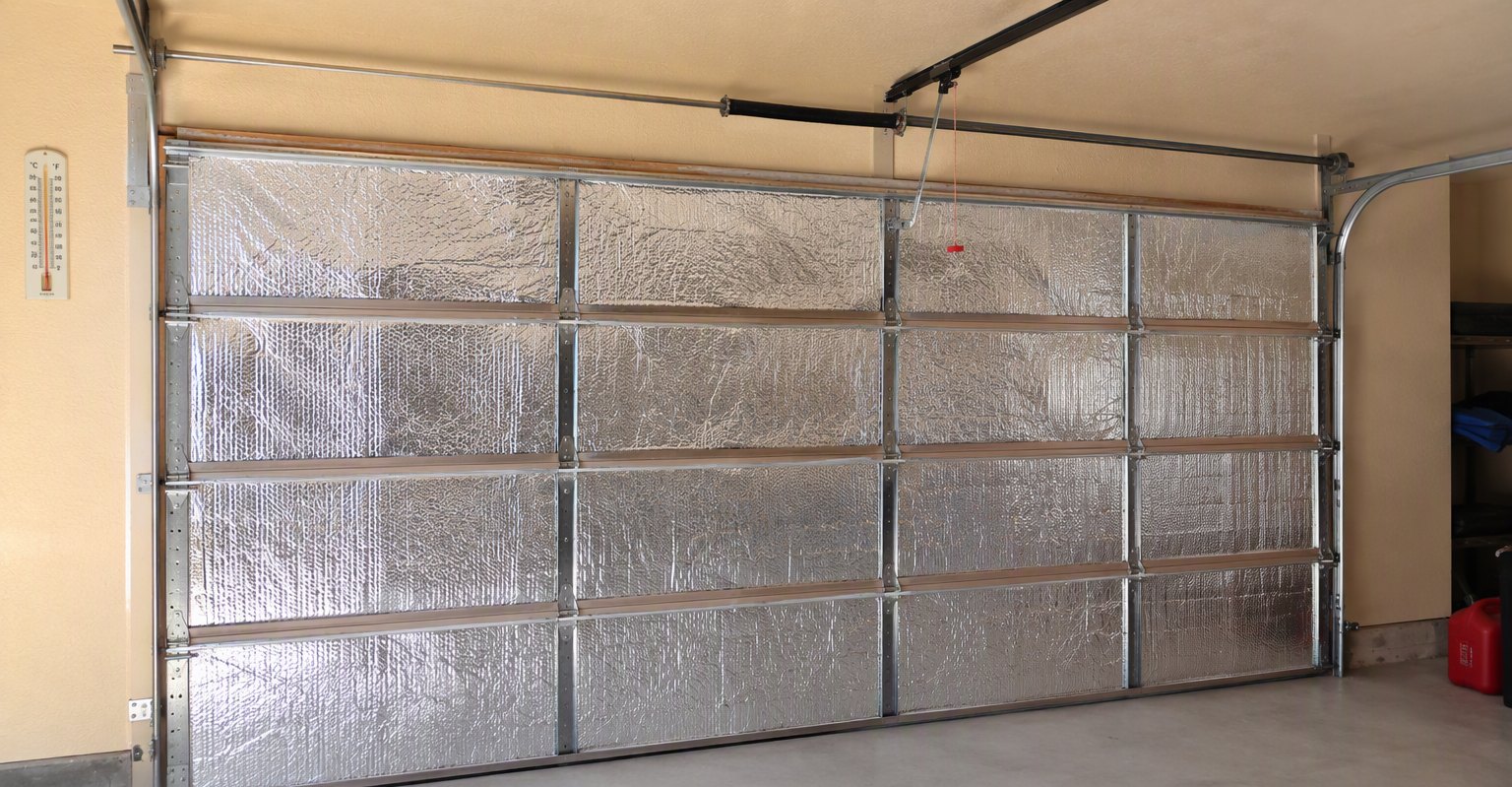
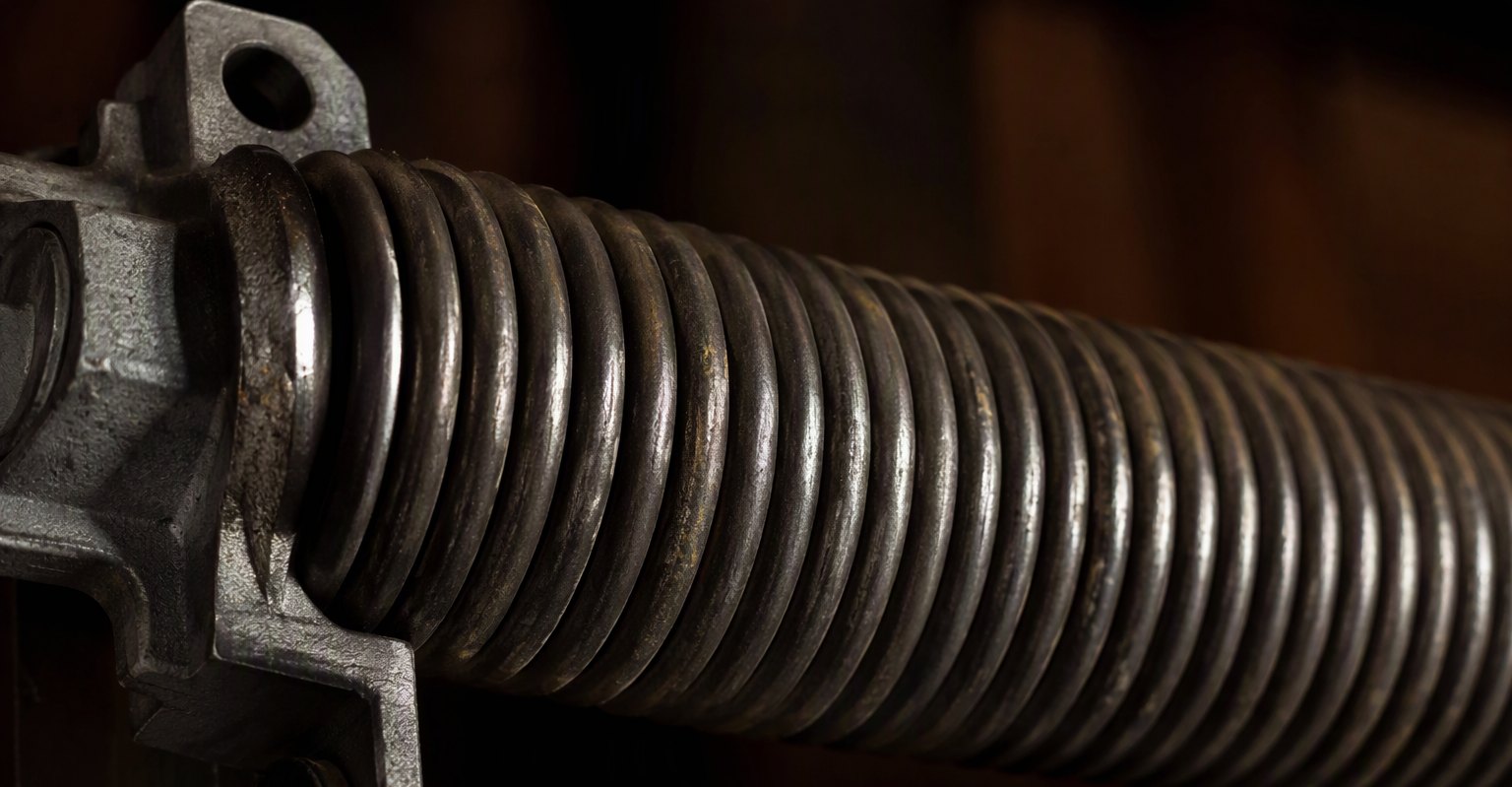
Cycle ratings assume moderate temperatures. Spring steel fatigues faster when it cycles hot, and an uninsulated valley garage spends months above 110°. Dust adds friction at every coil contact. The result: builder springs in this valley reliably fail at the early end of their range — year five is typical, and we see year four in heavy-use households.
The high-cycle answer
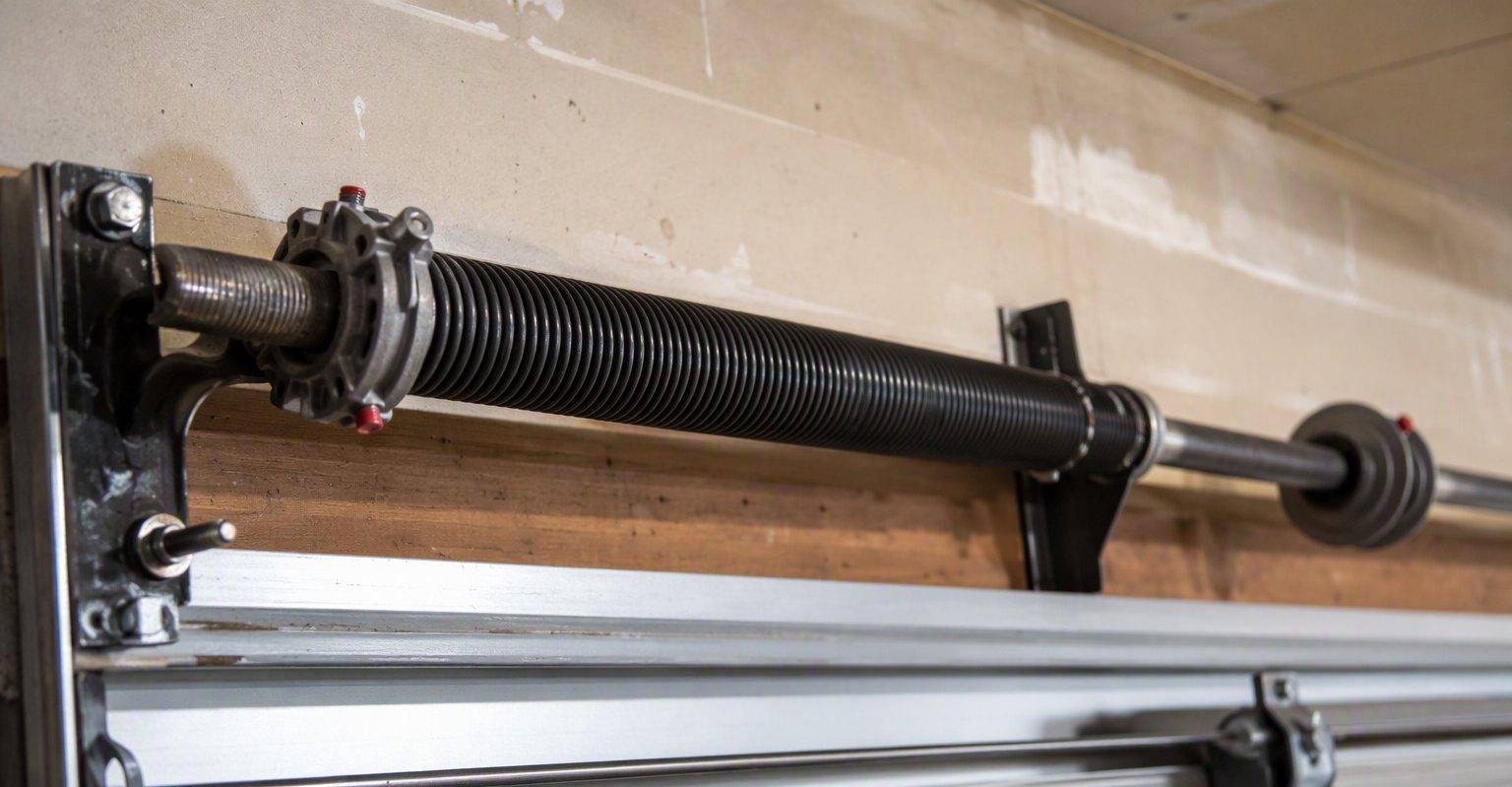
High-cycle springs — rated 20,000+ cycles — cost modestly more and roughly double the lifespan in this climate. Installed as a balanced pair and sized to the door’s real weight, they turn springs from a recurring emergency into a once-a-decade line item. It’s our standard on every spring replacement, and it’s the spec we’d want on our own houses.