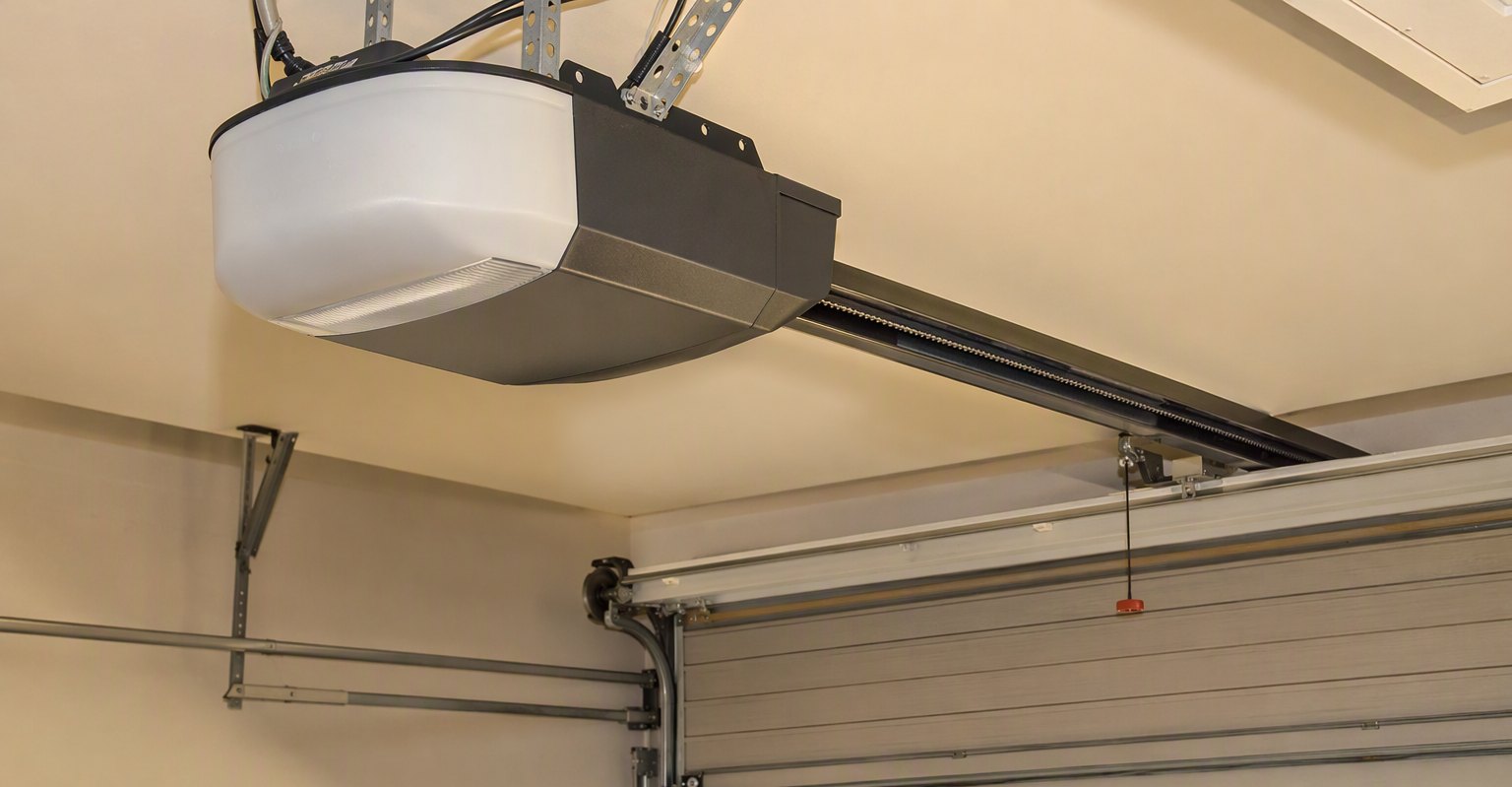
The door goes down six inches, thinks better of it, and goes back up. The opener light blinks at you. This is the single most common garage door call in the valley — and about half the time, the fix takes sixty seconds and costs nothing.
Meet your safety sensors
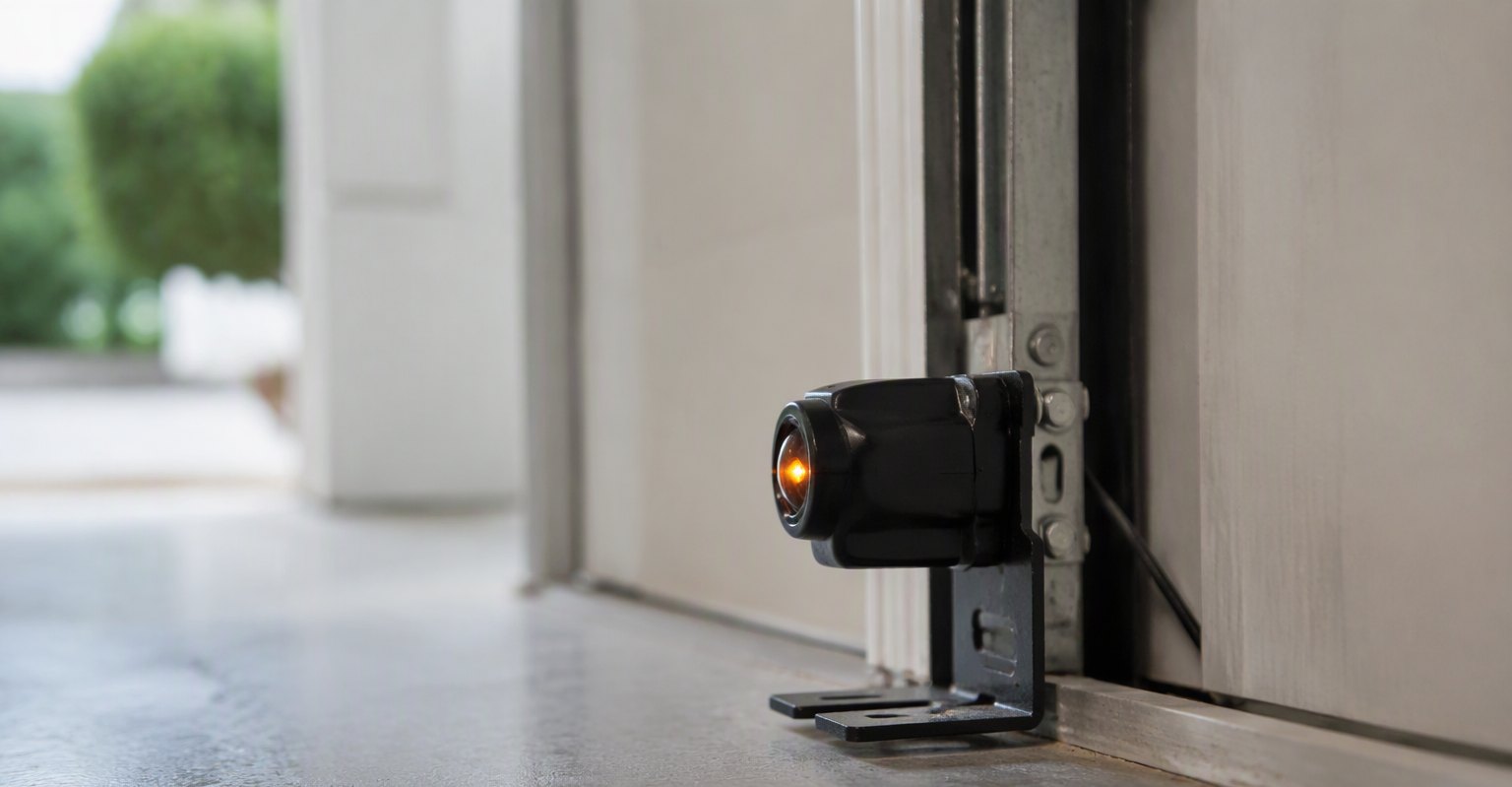
Since 1993, every opener sold in the U.S. includes photo-eye sensors: two small units mounted a few inches off the floor on either side of the door, shooting an invisible beam across the opening. Break the beam, and the door refuses to close — it’s the system that keeps the door from closing on kids, pets, and bumpers. When the sensors can’t see each other, the door treats it as an obstruction and reverses.
The 60-second check
- Look at the lights. Each sensor has an LED. Both should be solid. A blinking or dark unit means misalignment or a wiring issue.
- Clear the lenses. Riverside dust coats everything — wipe both lenses with a soft cloth. Spider webs count.
- Check alignment. Sensors get bumped by bikes, trash cans, and brooms. Loosen the wing nut, aim them at each other until both LEDs go solid, retighten.
- Clear the beam path. A shovel handle or a rake in the beam’s path does the same thing as a broken sensor.
The Riverside special: sun glare
West-facing garages have a seasonal quirk — late-afternoon sun hits the receiving sensor dead-on and blinds it. The door works all morning and refuses at 5 p.m. The fix is a small shade hood, swapping the sender and receiver sides, or remounting slightly deeper in the opening. If your door’s refusal follows the sun, that’s your answer.
When it’s not the sensors
If both LEDs are solid, lenses clean, beam path clear, and the door still reverses — the problem moves to wiring, the opener’s force settings, or the logic board. That’s the point to call: we diagnose to the component and quote the fix in writing before any work. Details on the opener service page.